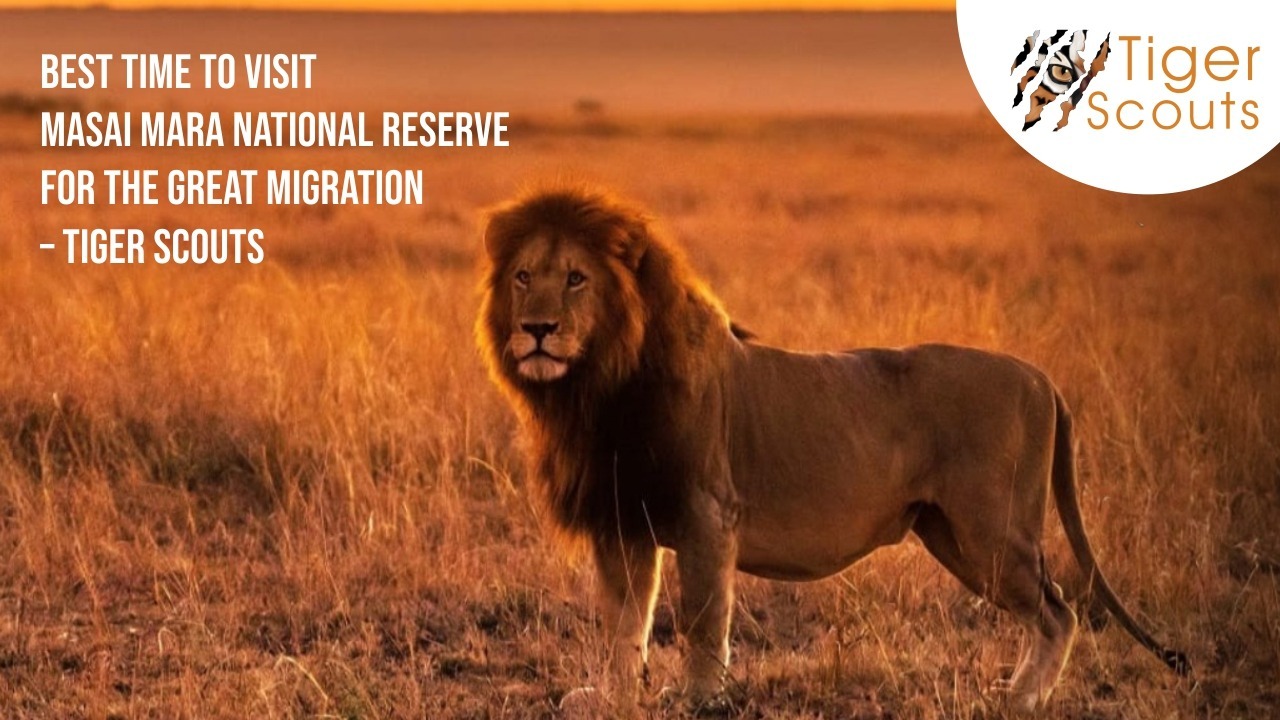
The Masai Mara National Reserve is one of the most iconic wildlife destinations in the world, famous for hosting the awe-inspiring Great Migration. Every year, millions of wildebeest, zebras, and gazelles move across vast plains in search of fresh grazing land, creating one of nature’s most dramatic spectacles. For travelers and wildlife enthusiasts, knowing the best time to visit Masai Mara National Reserve is essential to experiencing this phenomenon at its peak.
At TIGER SCOUTS, we believe that understanding seasonal patterns, weather conditions, and animal behavior can transform an ordinary safari into an unforgettable journey. This guide explores the Great Migration Masai Mara months, river crossing seasons, weather conditions, wildlife sightings, and essential travel tips to help you plan the perfect safari adventure.
Simple Wildlife Conservation Practices You Can Start at Home
The best time to visit Masai Mara National Reserve largely depends on your travel goals, but for the Great Migration, the prime window falls between July and October. During this period, the reserve becomes the main stage for massive herds entering Kenya from the Serengeti.
Why This Period Is Ideal
From July onward, dry conditions in Tanzania push grazing animals northward. The Masai Mara’s grasslands provide abundant food, attracting not only herbivores but also predators.
Peak vs Shoulder Season
- Peak Season (July–October): Best migration action, higher prices, more tourists
- Shoulder Season (June & November): Fewer crowds, good wildlife sightings, lower costs
Who Should Visit During Peak Months
- Wildlife photographers
- First-time safari travelers
- Documentary and nature enthusiasts
Great Migration in Masai Mara: Month-by-Month Guide
Understanding the Great Migration Masai Mara months helps travelers choose the right time for their safari experience.
January to March: Calving Season (Serengeti)
Although the herds are mostly in Tanzania, predators are active, and newborn calves attract intense hunting activity.
April to June: Movement Begins
- Heavy rains dominate
- Fewer tourists
- Lush landscapes
July to October: Migration Peak in Masai Mara
This is when the Masai Mara hosts the largest concentration of animals, making it the best time to visit Masai Mara National Reserve for migration lovers.
November to December: Return Journey
Herds gradually move back south, but wildlife viewing remains excellent.
Best Months to See the Great Migration River Crossings
The Masai Mara river crossing season is the most dramatic phase of the Great Migration.
Mara River Crossings Explained
As herds encounter the crocodile-filled Mara River, they must cross despite strong currents and lurking predators. These moments define the migration.
Best Months for River Crossings
- Late July to September
- Occasional crossings in October
What Makes River Crossings Unique
- Intense predator-prey interactions
- Thousands of animals moving together
- Rare photographic opportunities
Best Locations to Witness Crossings
- Mara River main crossing points
- Northern Masai Mara zones
- Areas near traditional migration routes
Masai Mara Weather & Climate During the Migration Season
The Masai Mara weather during Great Migration plays a major role in animal movement and safari comfort.
Dry Season Conditions (July–October)
Dry weather creates excellent visibility and easy game drives. Grass is shorter, making wildlife easier to spot.
Temperature Overview
- Cool mornings: 10–15°C
- Warm afternoons: 25–30°C
How Weather Affects Migration
- Less rainfall encourages river crossings
- Concentrated water sources attract wildlife
- Predictable animal movement
Wildlife Sightings During the Great Migration in Masai Mara
The wildlife sightings in Masai Mara migration season are unmatched anywhere in Africa.
Herbivores on the Move
Millions of wildebeest, zebras, and gazelles dominate the plains, creating a living, moving landscape.
Predator Action
The migration draws Africa’s most powerful predators, offering thrilling encounters.
Common Predators Seen
- Lions
- Cheetahs
- Leopards
- Hyenas
Other Wildlife to Spot
- Elephants
- Giraffes
- Hippos
- Over 450 bird species
Travel Tips for Visiting Masai Mara During the Great Migration
Planning ahead is essential when visiting during peak migration months. These Masai Mara Great Migration travel tips will help ensure a smooth journey.
Best Safari Duration
A 3–5 day safari provides enough time to witness migration activity and explore different regions.
What to Pack
Essential Items
- Neutral-colored clothing
- Binoculars
- Camera with zoom lens
- Sunscreen and hat
Booking Advice
- Book lodges 6–9 months in advance
- Choose camps near migration routes
- Travel with responsible operators like TIGER SCOUTS
Conclusion
The best time to visit Masai Mara National Reserve for the Great Migration is undoubtedly between July and October, when nature puts on its most dramatic show. From thundering river crossings to intense predator encounters, this period offers a once-in-a-lifetime wildlife experience.
With proper planning, understanding the Great Migration Masai Mara months, monitoring Masai Mara weather during Great Migration, and following expert Masai Mara Great Migration travel tips, travelers can enjoy a safe, ethical, and unforgettable safari. At TIGER SCOUTS, we promote responsible tourism that protects wildlife while delivering authentic experiences.