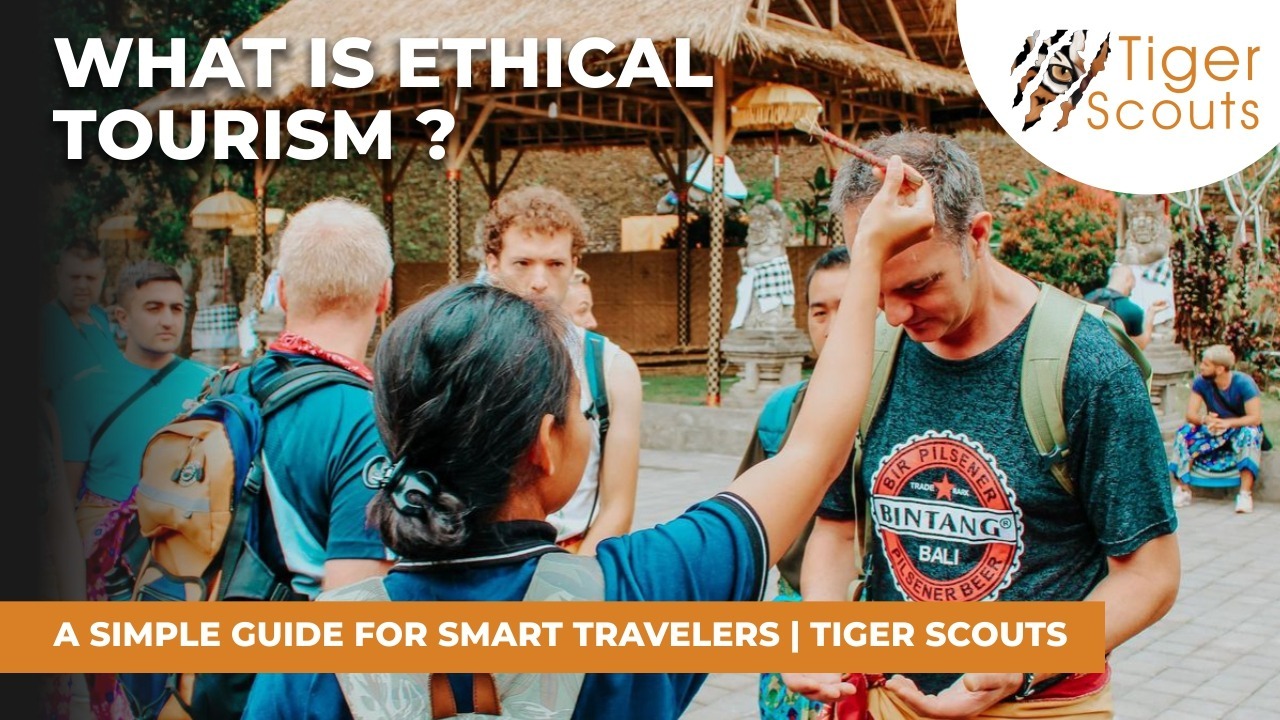
Ethical tourism is becoming a powerful movement among modern travelers who want their journeys to create a positive impact. Today’s smart travelers are not only exploring new destinations, they are also thinking about their footprint, their choices, and how tourism influences local culture, communities, and the environment. In this ethical tourism guide, TIGER SCOUTS aims to help conscious explorers discover what ethical tourism truly means and how it shapes a more responsible world of travel. By understanding ethical tourism meaning and adopting ethical travel practices, travelers can enjoy authentic experiences while giving back to the destinations they visit.
This TIGER SCOUTS Guide is designed to help wildlife lovers plan the perfect safari, understand peak tiger sighting season in India, identify the best months for bird watching, and learn how weather patterns enhance wildlife activity in India. Whether you’re a first-time traveller or an experienced naturalist, this guide brings expert insights, field-tested wisdom, and actionable safari tips to help you make the most of your adventure.
What Is Ethical Tourism? Definition and Core Principles
Ethical tourism, often referred to as responsible travel, focuses on making choices that respect the environment, protect wildlife, support local communities, and preserve cultural heritage. When we ask what is ethical tourism, we refer to travel that is mindful, respectful, and grounded in sustainability.
Ethical Tourism Meaning
Ethical tourism meaning can be summed up as traveling in a way that minimizes harm and maximizes positive contributions. It encourages travelers to go beyond simply enjoying destinations to participate in protecting them.
Core Principles of Ethical Tourism
- Respect for local cultures and traditions
- Fair economic support to local communities
- Protection of wildlife and natural habitats
- Transparent and responsible tourism operations
- Encouraging sustainability and long-term benefits
Traveler Responsibilities
- Choosing ethical tourism destinations
- Supporting locally owned businesses
- Avoiding exploitative activities
- Reducing plastic and waste
- Following eco-friendly travel habits
Why Ethical Tourism Is Important for Responsible Travelers
Ethical tourism importance extends beyond environmental care; it influences global ecosystems, local livelihoods, and cultural survival. Today, tourism can either uplift communities or cause irreversible damage. Ethical travel practices help ensure the former..
Environmental Importance
Ethical tourism supports sustainable resource use, conservation efforts, and the protection of endangered species. By choosing responsible travel options, visitors help preserve natural habitats for future generations.
Social Importance
Communities thrive when travelers choose experiences that honour ethical values. Ethical tourism meaning also includes understanding cultural boundaries, traditions, and heritage, ensuring tourism enriches rather than disturbs.
Economic Importance
Responsible tourism ensures that money flows directly to local people instead of large corporations. This creates jobs, supports small businesses, and promotes long-term community development.
Key Ethical Travel Practices Every Smart Traveler Should Follow
Ethical travel practices are habits that smart travelers adopt to ensure their journeys are respectful, sustainable, and meaningful.
Choose Responsible Operators
Select tour companies that follow ethical tourism principles especially those certified for sustainability, community support, and wildlife protection.
Engage Respectfully with Local Culture
Travelers should approach cultural experiences with respect. Learning a few local phrases and understanding customs can transform interactions.
Cultural Respect Checklist
Why Visit: Known for its lush meadows, sal forests, and excellent visibility, Kanha offers a classic Indian jungle experience. It is also home to the rare hard-ground barasingha.
- Dress appropriately in religious or sensitive areas
- Always ask before taking photos
- Avoid cultural appropriation
- Participate in community-led tours
- Support authentic cultural experiences
Avoid Exploitative Wildlife Tourism
Ethical tourism importance is strongly linked to wildlife protection. Choose sanctuaries that rescue animals, not exploit them.
Avoid These Activities
- Elephant riding
- Tiger selfies or drugged animal shows
- Captive marine life entertainment
- Unregulated animal trekkin
Support Local Economies
Purchasing from local artisans, eating at family-run restaurants, and staying in homestays contribute directly to community upliftment.
Sustainable Travel Tips to Reduce Your Environmental Impact
Ethical tourism and sustainable travel go hand-in-hand. Reducing environmental impact is a key part of ethical tourism, meaning and responsible travel. .
Travel Light and Smart
Carrying fewer items reduces carbon emissions and makes movement easier.
Conserve Water and Energy
Hotels often waste huge volumes of water and electricity. Ethical travelers consciously limit consumption.
Easy Eco Habits
- Reuse towels instead of requesting daily changes
- Turn off lights and AC when leaving rooms
- Take shorter showers
- Use refillable water bottles
- Carry eco-friendly toiletries
Choose Eco-Friendly Transportation
Use public transport, bicycles, or shared rides whenever possible. These reduce carbon footprints and encourage ethical travel practices.
Reduce Plastic Waste
Plastic pollution threatens oceans and wildlife. Ethical tourism promotes conscious waste management.
Plastic-Free Essentials
- Metal or bamboo straws
- Cloth shopping bags
- Reusable cutlery
- Collapsible bottles
- Biodegradable wipes
Best Ethical Tourism Destinations for Conscious Travelers
Choosing ethical tourism destinations ensures your travel supports conservation, culture, and responsible initiatives. These regions combine sustainability with exceptional travel experiences.
Costa Rica
A global model for ethical tourism, known for rainforest conservation and eco-lodges.
Bhutan
With its “High Value, Low Impact” tourism model, Bhutan promotes ethical tourism through controlled tourism and cultural respect.
New Zealand
Protects indigenous cultures and natural landscapes through sustainable policies.
India’s Ethical Travel Hotspots
India offers multiple ethical tourism destinations, from eco-villages to responsible wildlife parks.
Top Ethical Places in India
- Sikkim (first organic state)
- Kerala (community-led rural tourism)
- Spiti Valley (homestay network)
- Andaman Islands (conservation-focused travel)
- National parks promoting responsible safaris
How TIGER SCOUTS Supports Ethical and Sustainable Tourism
TIGER SCOUTS is deeply committed to promoting ethical tourism principles across every journey. As a platform for responsible travelers, its mission is to prote ct wildlife, support communities, and inspire ethical travel practices.
Our Approach: Education, Awareness & Impact
TIGER SCOUTS provides guides, tips, and responsible travel insights to help travelers understand ethical tourism meaning and implement sustainable travel tips.
TIGER SCOUTS Ethical Initiatives
- Promoting responsible wildlife safaris
- Supporting eco-friendly accommodations
- Encouraging community-based tourism
- Educating travelers on ethical travel practices
- Highlighting ethical tourism destinations
Our Commitment to Travelers
- Transparent guides
- Authentic suggestions
- Encouraging community-based tourism
- Local partnerships
- Eco-focused planning
- Continuous awareness campaigns
Conclusion
Ethical tourism is more than a trend; it is a thoughtful way of exploring the world while supporting its people, cultures, and natural wonders. Understanding what is ethical tourism allows travelers to act responsibly, reduce harm, and make meaningful contributions. By embracing ethical tourism importance and practicing sustainable travel habits, every traveler becomes a part of a global movement toward positive change. With TIGER SCOUTS responsible travel guidance, conscious explorers can enjoy memorable journeys that protect the planet and uplift communities for generations to come.